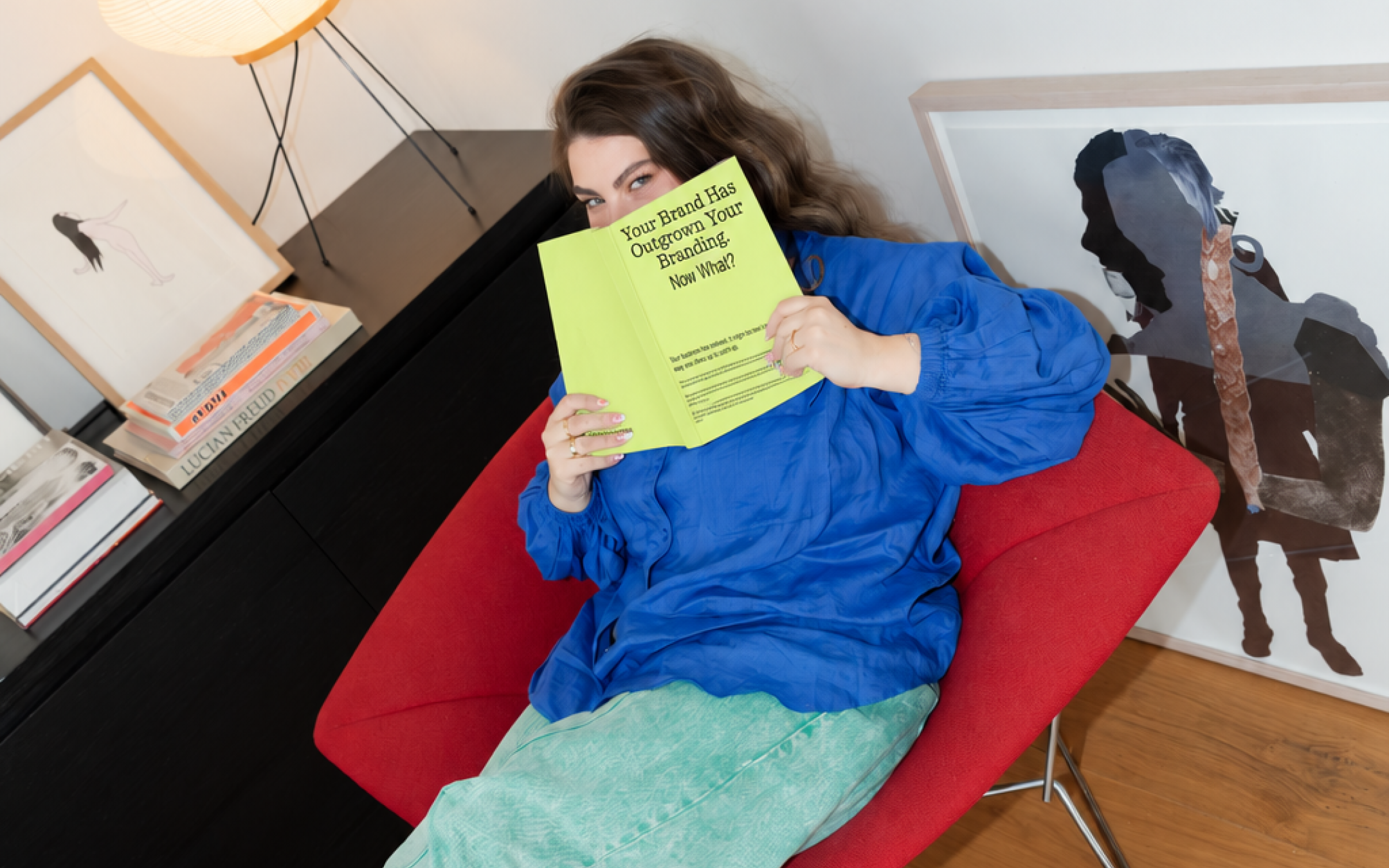
The branding that helped you launch may have served you well. It gave your business a name, a face and somewhere to begin.
Since then, things have changed. Your product is better. Your audience is clearer. You’ve raised your prices, expanded your range or started conversations with retailers you once only hoped to approach.
But your branding still tells the story of where you started.
As a brand studio, we work with businesses at this point of transition. There’s substance behind the business, but the way it presents itself hasn’t kept pace. The next step is understanding where that gap sits—and what needs to change to close it.
Recognise what you’ve outgrown
Sometimes the signs are obvious. Your packaging feels out of place beside the brands you want to sit alongside. Your website struggles to accommodate your growing range. You hesitate before sending someone a link.
Other signs appear in everyday decisions. Your team keeps inventing new layouts because the original identity offers little direction. Your messaging describes products you’ve moved beyond. Every campaign feels like an opportunity to try another personality.
These are useful signals to investigate. Together, they may suggest your branding needs more structure, a clearer position or a broader visual language.
Start by naming the problem. “It feels dated” is a beginning. “Our packaging doesn’t communicate the quality of the product or help customers navigate the range” gives you something concrete to address.
Look at the business before the moodboard
When your branding starts feeling uncomfortable, it’s tempting to jump straight into references. New colours. Different typography. A logo that feels more grown up.
Before exploring how the brand could look, we want to understand what has changed.
Who is buying from you now? Which products are central to the business? What do customers value most? Where are you heading, and what will that require from your brand?
A business moving into retail may need packaging that communicates clearly without a founder there to explain it. A growing ecommerce range may need a stronger product hierarchy. A change in positioning may call for new language as well as a new identity.
Those decisions give the creative work a purpose.
Work out what deserves to stay
Your existing brand holds history. Some of it may be valuable.
A recognisable colour, a distinctive mark, a phrase customers repeat or a particular warmth in your voice could all be worth carrying forward. Part of our role is to identify those strengths and understand how they can evolve.
We also look at what has become familiar internally without necessarily being useful externally. A founder’s attachment to a design detail matters, but it needs to be considered alongside recognition, relevance and practical performance.
The aim is to make deliberate decisions about what you retain, refine and introduce. That gives the next version of the brand a clear connection to the business people already know.
Decide how much change you need
The scale of the work should follow the problem.
If your positioning remains clear and your identity is recognisable, a refresh may give you what you need. That could involve refining typography, improving packaging layouts, defining a photography direction or building a more useful set of templates.
If your audience, offer or place in the market has changed substantially, the work may need to go deeper. Strategy and messaging may need to be revisited before a new identity can take shape.
Sometimes the issue sits within one part of the experience. Your branding might still be doing its job while your website needs clearer navigation, stronger content and a better shopping journey.
A thoughtful review helps establish where investment will be most useful.
Build around the way your business operates
A growing business asks more of its branding.
It needs to accommodate new products, different formats, more channels and more people creating content. An identity that worked across three launch products may struggle across thirty.
We consider those demands during design. How will customers distinguish between ranges? What happens when a product name is longer? Can the team create an email without making every decision from scratch?
The result should give your business a clear visual and verbal framework, with enough flexibility to support what comes next. Guidelines and templates become particularly useful here: they help turn a creative direction into something your team can apply confidently.
Plan the transition as carefully as the design
An updated identity needs a considered introduction.
Packaging production, existing stock, website development, photography, email templates and retailer materials all have different lead times. Mapping them early helps you decide what needs to launch together and what can follow.
For a product business, there may be a period where old and new packaging coexist. Your customers may need a simple explanation of the change and reassurance about whether the product itself has changed.
Clear communication helps people follow the transition. Give them enough context to recognise the business they know and understand where it’s heading.
Set the standard for what follows
Once the new branding is in place, your everyday decisions give it continuity.
Your team needs to know where assets live, how to use them and who makes decisions when something new is required. Photography, campaigns and future products should build on the same foundations.
At Good Manners, we see branding as a standard you establish and keep. The design gives that standard expression; the way you use it gives it staying power.
If your business has grown into something your branding no longer reflects, begin by getting clear on who you are today and where you want to go. From there, you can build an identity and experience that represent both with confidence.
Ready for your next chapter? We bring strategy, identity, ecommerce and rollout together to help your brand move forward with intention.
Let’s make a good impression.